




Hair PRP
Hair PRP, or Platelet-Rich Plasma therapy for hair loss, has gained significant popularity in recent years as a non-surgical solution for hair thinning and pattern baldness. Leveraging the body’s natural healing abilities, Hair PRP treatment is praised for being safe, minimally invasive, and effective. But what exactly is Hair PRP? How does it work, and is it right for everyone?
In this comprehensive guide, we will explore everything you need to know about Hair PRP: how it works, who it’s for, its benefits and limitations, side effects, costs, and frequently asked questions. Whether you’re considering the treatment or simply curious about it, this article will help you make an informed decision.
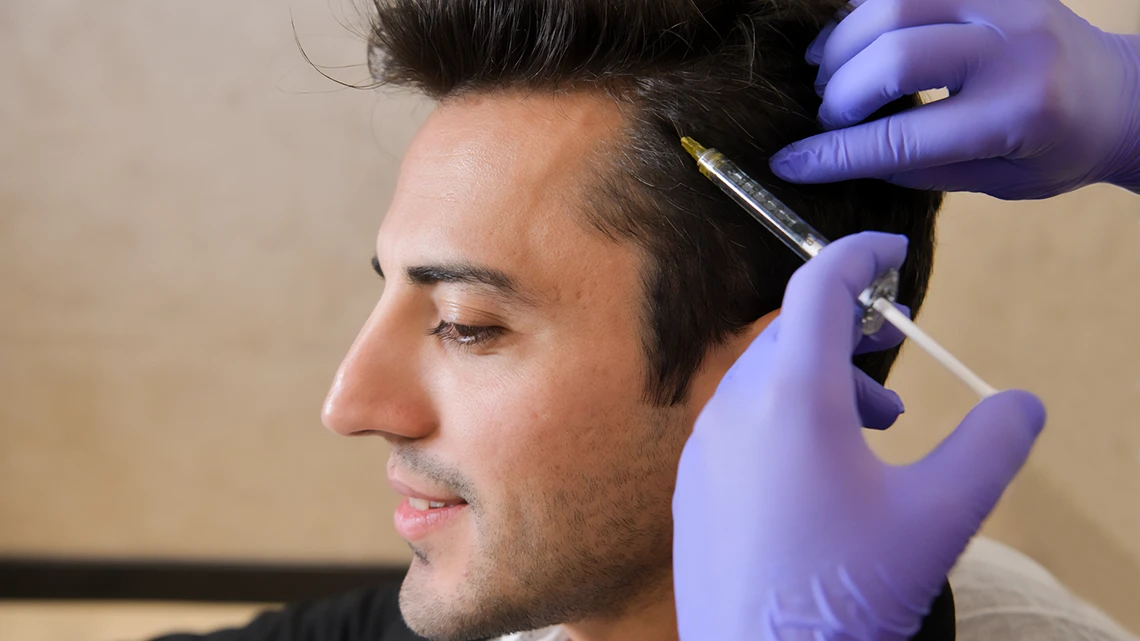
What Is Hair PRP?
Hair PRP (Platelet-Rich Plasma) therapy is a regenerative procedure that uses components from your own blood to stimulate hair growth. The process involves drawing a small amount of the patient’s blood, processing it to concentrate the platelets, and injecting the resulting plasma directly into the scalp. These platelets contain growth factors and proteins that can potentially promote hair follicle regeneration and slow down hair loss.
Hair PRP is commonly used to treat:
- Androgenetic Alopecia: Also known as male or female pattern baldness
- Thinning Hair: For individuals experiencing diffuse hair loss
- Postpartum Hair Loss: Especially common among women after childbirth
- Telogen Effluvium: Stress-related or trauma-induced shedding
- Supportive Therapy: After hair transplant surgery to enhance results
How Does Hair PRP Work?
The science behind Hair PRP is rooted in the body’s natural healing process. Platelets are one of the main components of blood, known for their role in wound healing and tissue regeneration. They release various growth factors, such as:
- PDGF (Platelet-Derived Growth Factor)
- VEGF (Vascular Endothelial Growth Factor)
- TGF-β (Transforming Growth Factor Beta)
- EGF (Epidermal Growth Factor)
These growth factors help stimulate the activity of hair follicles and increase blood supply to the scalp. Here’s a breakdown of the PRP process:
- Blood Collection: About 10-20ml of the patient’s blood is drawn, similar to a routine lab test.
- Centrifugation: The blood is placed in a centrifuge to separate the platelet-rich plasma from other blood components.
- Activation and Injection: The concentrated PRP is then injected into targeted areas of the scalp using fine needles.
The procedure typically takes about 30–45 minutes and is performed under local anesthesia or numbing cream to minimize discomfort.
Benefits of Hair PRP
Hair PRP therapy offers a range of benefits that make it an attractive choice for people dealing with hair loss:
- Non-Surgical: Unlike hair transplants, PRP doesn’t require incisions or stitches.
- Autologous Treatment: Since it uses your own blood, the risk of allergic reactions is minimal.
- Quick Recovery: Patients can return to normal activities almost immediately after treatment.
- Improved Hair Thickness: Clinical studies and patient testimonials suggest increased hair density and thickness.
- Preventive Care: It can help slow or halt the progression of hair loss in early stages.
Who Is a Good Candidate for Hair PRP?
Not everyone is an ideal candidate for Hair PRP therapy. The best results are typically seen in individuals with early-stage hair thinning or mild to moderate androgenetic alopecia. Candidates include:
- Men and women with genetic hair loss
- Individuals with small areas of thinning
- Patients looking for a natural, low-risk solution
- People who are not suitable for or do not want surgery
However, PRP may not be effective for:
- Individuals with complete baldness (inactive hair follicles)
- Patients with certain blood disorders or platelet dysfunction syndromes
- Those with active scalp infections or chronic skin conditions
A consultation with a dermatologist or hair restoration specialist is essential to determine suitability.
How Many Hair PRP Sessions Are Needed?
Hair PRP treatment typically involves a series of sessions for optimal results. A standard protocol may look like:
- Initial Phase: 3–4 sessions spaced 4–6 weeks apart
- Maintenance Phase: 1 session every 4–6 months
The frequency may vary depending on the individual’s hair loss pattern, age, hormonal levels, and overall health. Most patients begin to see visible improvement within 3–6 months of starting treatment.
Side Effects and Risks of Hair PRP
Hair PRP is generally considered safe since it uses the patient’s own biological material. However, as with any medical procedure, some side effects may occur:
- Mild Pain or Discomfort: During or after injection
- Scalp Redness or Swelling: Temporary and usually resolves within a day
- Bruising or Itching: Minor and self-limiting
- Infection Risk: Very rare, especially with proper sterilization
More serious complications are extremely rare but could include nerve injury or allergic reaction to the numbing agent. Choosing a licensed, experienced provider minimizes these risks.
Hair PRP vs Other Hair Loss Treatments
When comparing Hair PRP to other hair restoration methods, it offers a unique set of advantages and limitations:
| Treatment | Invasiveness | Recovery Time | Risk of Side Effects | Effectiveness |
| Hair PRP | Low | Minimal | Very Low | Moderate to High |
| Minoxidil | None (Topical) | None | Low | Moderate |
| Finasteride | None (Oral) | None | Moderate | Moderate |
| Hair Transplant | High | 7–10 Days | Moderate | High |
| Laser Therapy | None | None | Very Low | Low to Moderate |
Hair PRP is often recommended in conjunction with other therapies for a more comprehensive approach.
What to Expect Before, During, and After Hair PRP
Before the Procedure
- Avoid blood-thinning medications like aspirin
- Stay hydrated and eat a light meal
- Refrain from alcohol or smoking for 24 hours
During the Procedure
- The entire session takes under an hour
- You may feel slight pressure or tingling during injections
- A numbing agent can be applied for comfort
After the Procedure
- Do not wash your hair for at least 12 hours
- Avoid direct sun exposure and strenuous activities for 24 hours
- Mild redness or soreness may persist for 1–2 days
Results develop gradually and require patience and consistency.
Cost of Hair PRP
Hair PRP costs vary widely depending on geographic location, clinic reputation, and number of sessions required. Most clinics offer treatment packages to reduce overall costs. Because PRP is considered a cosmetic treatment, it is typically not covered by insurance.
To get an accurate quote and treatment plan tailored to your needs, contact a qualified hair PRP clinic today.
Hair PRP and Gender: Is It for Men and Women?
Yes, Hair PRP is effective for both men and women. In fact, it’s one of the few treatments that works equally well across genders. Women often experience diffuse thinning rather than receding hairlines, and PRP can be especially effective in targeting this kind of loss. Men experiencing early signs of androgenetic alopecia also see significant improvement.
FAQs About Hair PRP
Is PRP painful?
Most patients report only mild discomfort, especially when numbing cream is used. The sensation is similar to tiny pinches or slight pressure.
When will I see results?
Some patients begin noticing reduced shedding within the first month. Visible improvement in hair density usually appears after 3–6 months.
Is PRP better than a hair transplant?
Hair PRP is non-surgical and better suited for early-stage hair loss. Hair transplants are more effective for advanced baldness but come with higher risks and costs.
Can PRP stop hair loss permanently?
PRP can slow or reverse hair loss but does not offer a permanent cure. Ongoing maintenance sessions may be needed to sustain results.
Is PRP safe?
Yes. Since PRP uses your own blood, allergic reactions are rare. When performed by a trained professional, PRP is very safe.

