Root Canal Treatment in Turkey is no longer just a back-up plan when tooth pain becomes unbearable. For many patients, it is a predictable, tissue-preserving solution that saves natural teeth while keeping travel plans tidy. If you are comparing options for dental care abroad, Root Canal Treatment in Turkey offers a blend of clinical expertise, modern equipment, and efficient scheduling that appeals to both locals and health travelers. In this guide, you will find clear answers about what Root Canal Treatment in Turkey involves, when it is needed, how it feels, what recovery looks like, and how to choose the right clinic without guesswork. By the end, you will know whether Root Canal Treatment in Turkey fits your timeline and your treatment goals.
Root Canal Treatment in Turkey: What Is It?
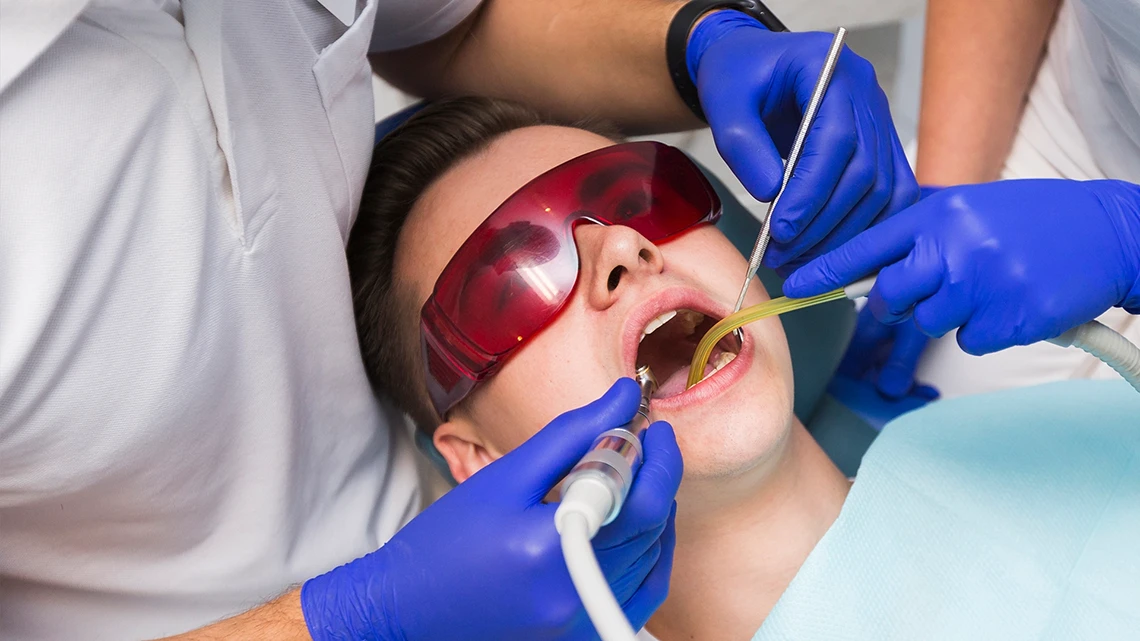
Root Canal Treatment in Turkey is a specialist procedure designed to remove infected or inflamed pulp from inside a tooth, disinfect the canal system, and seal it to prevent reinfection. The goal is to keep your natural tooth functioning in the bite rather than resort to extraction. During Root Canal Treatment in Turkey, your endodontist accesses the pulp chamber through a small opening, cleans and shapes the canals with precision files, irrigates to flush out bacteria and debris, and fills the space with a biocompatible material that blocks future leakage. The procedure is carried out under local anesthesia and guided by imaging to ensure that each canal is treated to its full working length. When completed properly, Root Canal Treatment in Turkey restores comfort and preserves the tooth’s root structure so it can support a filling or crown for the long term.
When Do You Need a Root Canal?
You will typically be advised to have Root Canal Treatment in Turkey when the pulp is irreversibly inflamed or infected. Warning signs include lingering sensitivity to hot or cold, spontaneous pain that wakes you at night, tenderness when chewing, swelling of the gum near the tooth, or a darkening of the tooth after trauma. Sometimes there is minimal pain but a chronic infection shows up on an X-ray as a shadow at the tip of the root. In each case, the problem lies inside the tooth where antibiotics cannot fully reach. Root Canal Treatment in Turkey is the definitive way to remove the source of infection while keeping the tooth itself.
Step-by-Step: How Root Canal Treatment Works
A well planned Root Canal Treatment in Turkey follows a structured sequence. First comes diagnosis with clinical tests and imaging to map the anatomy and confirm that the pulp is compromised. Local anesthesia is delivered, then a small dam is placed to isolate the tooth. Your endodontist creates an access cavity and locates the canals using illumination and magnification. The working length of each canal is measured with electronic apex location and verified radiographically. Cleaning and shaping are completed with a combination of rotary or reciprocating files and calibrated irrigation. The canal system is then dried and filled with a thermo-softened or cold obturation technique, creating a tight seal. Finally, a temporary or permanent restoration closes the access. In many cases, a crown is recommended to protect the tooth against fracture. Root Canal Treatment in Turkey follows this sequence carefully so that every canal is disinfected and sealed, even in molars where the anatomy is complex.
Does Root Canal Hurt?
With modern anesthesia and careful technique, most patients describe Root Canal Treatment in Turkey as surprisingly manageable. The procedure itself should be comfortable, with pressure sensations rather than sharp pain. If a tooth is acutely inflamed, your dentist may begin by calming the area and then complete definitive cleaning once the tissues have settled. Mild post-operative tenderness is normal for a day or two, especially when chewing, and it responds well to standard analgesics. Compared with the throbbing pain of an untreated infection, Root Canal Treatment in Turkey is usually a major relief.
Benefits of Getting a Root Canal in Turkey
Root Canal Treatment in Turkey appeals to patients who value both clinical thoroughness and tight scheduling. Clinics serving international visitors organize consultations, imaging, and treatment sessions so that you are not stuck in a waiting room for days. Many teams use magnification, rubber dam isolation, and contemporary file systems for consistent results. Because saving natural structure matters, Root Canal Treatment in Turkey focuses on preserving as much sound dentin as possible while removing infection. That approach supports long-term function once a crown or onlay is in place. The other advantage is continuity. Coordinators help you plan follow-up checks and share documentation with your dentist at home, which keeps your care seamless after you return.
Best Cities in Turkey for Root Canal Procedures
Istanbul is the country’s busiest hub, with dense clinical coverage and extended hours that make booking flexible. Ankara is known for a calmer pace and access to academic endodontists. Izmir blends a coastal atmosphere with clinics that are comfortable coordinating dental visits around a short break. Antalya is a natural fit if you want a resort setting while completing Root Canal Treatment in Turkey on a tight itinerary. Bursa and Adana round out the map with private practices that focus on efficient endodontic care. Across these cities, the common thread is transparent planning and the ability to line up imaging, anesthesia options, and restoration work without unnecessary downtime.
How to Choose a Reliable Endodontist in Turkey
Start with credentials and case documentation. Ask about postgraduate training in endodontics, years of experience with molar cases, and the protocols used to manage complex anatomy. Request to see pre- and post-treatment images and examples of restored teeth. A meticulous endodontist in Turkey will discuss isolation, irrigation strategies, and the types of obturation used. Communication should be clear and practical. You want a written plan that shows how Root Canal Treatment in Turkey fits into your overall restoration timeline, especially if a crown is required. Also evaluate the clinic’s approach to pain control and emergency access. The best teams build recovery instructions into your schedule and remain reachable if you need reassurance after you return to your hotel.
Root Canal vs Tooth Extraction: Which One Is Better?
There are two questions to weigh. Can the tooth be predictably saved, and will it function well once restored. If the tooth has adequate remaining structure, Root Canal Treatment in Turkey preserves your natural root in the jaw and maintains the neighboring teeth in their current positions. It also avoids the bone remodeling that follows extraction. If a tooth is fractured below the gum line, has inadequate ferrule for a crown, or carries a poor long-term prognosis, extraction can be a reasonable choice with plans for an implant or bridge later. In general, saving a restorable tooth with Root Canal Treatment in Turkey is preferred because it keeps your bite stable and is often faster to complete than an extraction plus delayed replacement. Your clinician will help you compare the risks and benefits for your specific case.
Recovery Time After Root Canal Treatment
Recovery after Root Canal Treatment in Turkey is usually straightforward. Most patients resume normal routines the same day, avoiding very hard chewing on the treated side until the final restoration is complete. Mild tenderness when biting is common for 24 to 72 hours and gradually fades. If a temporary filling is placed, you will receive instructions about what to avoid and when to return for the definitive crown or onlay. Good hygiene is important. Brush gently around the area, floss with care, and follow any mouthwash recommendations. A well restored tooth after Root Canal Treatment in Turkey should feel and function like its neighbors, with follow-up imaging confirming that the bone around the root tip remains healthy.
Is It Safe to Get a Root Canal Abroad?
Safety depends on planning, communication, and the clinic’s standards. When you schedule Root Canal Treatment in Turkey, share your medical history, allergies, and medication list upfront. Look for written consent forms, clear aftercare guidance, and documented sterilization protocols. Modern imaging and isolation equipment are standard in reputable clinics, and you should be offered protective eyewear and a clear explanation of each step. Travel adds logistics, but Root Canal Treatment in Turkey remains safe when your team coordinates appointments, restoration timing, and check-ins that fit your flights.
Root Canal Treatment in Turkey Cost 2025
Costs vary with the tooth type, the complexity of the canal anatomy, the clinician’s experience, the imaging required, and whether you need a crown or onlay afterward. Location can also play a role, with large city centers and resort areas operating different fee structures. Many clinics provide bundled plans that include consultation, radiographs, treatment, and review visits, and they will tailor schedules for travelers. Because every case is unique, the most accurate way to understand fees is to request a personalized plan after assessment.
Frequently Asked Questions
How long does a root canal treatment take in Turkey?
A straightforward front tooth can often be treated in a single visit that fits easily into a travel day.
Molars with multiple canals may require a second appointment, especially if the tooth arrives with significant inflammation or an old restoration to remove.
If you need a crown, allow time for impressions or scanning and a separate visit for final placement to protect the tooth after Root Canal Treatment in Turkey.
Is it cheaper to get a root canal in Turkey compared to Europe or the US?
Yes, many patients find that Root Canal Treatment in Turkey is more budget friendly than in Western Europe or the United States. The difference usually comes from lower overheads and efficient clinic workflows rather than compromises on materials or technique. When you compare quotes, make sure you are looking at similar scopes of work that include imaging, isolation, obturation, and any provisional or permanent restoration. A transparent plan lets you weigh the full value of Root Canal Treatment in Turkey against staying local.
Can I get a crown on the same day as my root canal?
Sometimes, but it depends on your case and the clinic’s lab capabilities. If the tooth structure is strong and the bite is stable, a same-day crown with in-house milling can be an option. Many dentists prefer to allow a short interval after Root Canal Treatment in Turkey, placing a high quality temporary while the final crown is fabricated. The key is to ensure the tooth is protected from fracture during this period.
Will I need follow-up visits after the treatment?
A short review visit is recommended to confirm comfort and check the occlusion after the anesthesia wears off. If a temporary was placed, you will return for the definitive restoration. After that, routine checkups are enough. Your dentist may request a control X-ray several months after Root Canal Treatment in Turkey to verify that bone around the root tip remains healthy.
Are Turkish dental clinics using modern equipment?
Reputable clinics use magnification, rubber dam isolation, electronic working length measurement, contemporary file systems, and modern obturation techniques. These tools improve accuracy and consistency. You can ask your provider to walk you through the protocol so you understand how Root Canal Treatment in Turkey will be delivered in your case.
Is it safe to travel right after the procedure?
Most people can travel comfortably after Root Canal Treatment in Turkey, especially if pain control and occlusion are carefully managed. Plan light meals, keep analgesics on hand, and avoid chewing hard foods on the treated side until final restoration is complete. If you are flying, schedule the appointment with enough cushion for a quick review should you have questions before departure.