What is Composite Bonding?
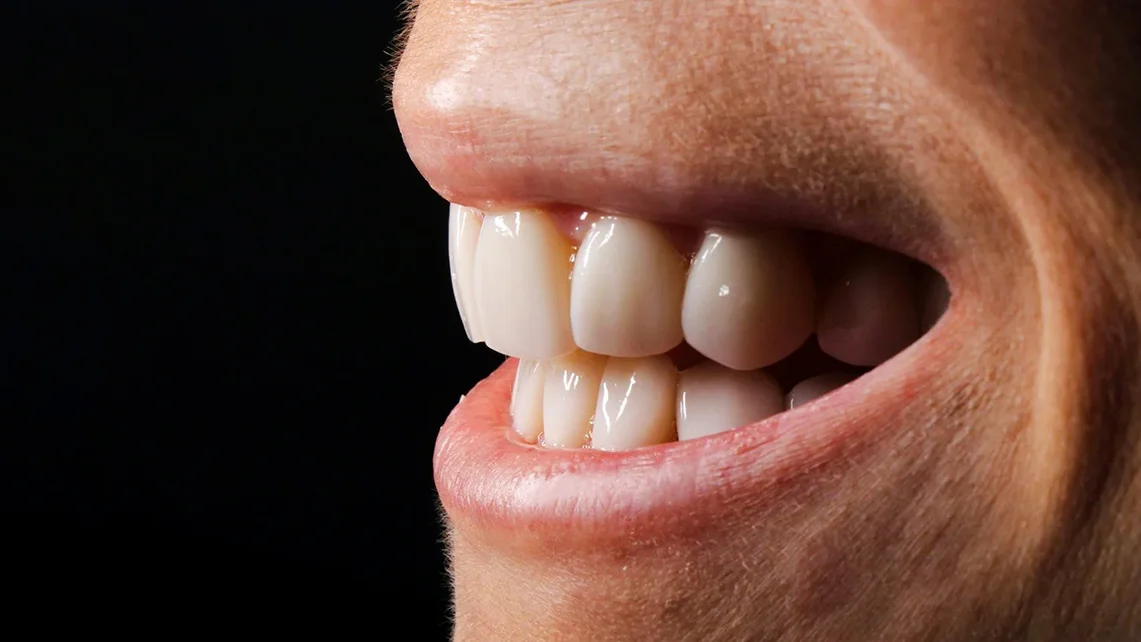
Composite bonding, also known as dental bonding or cosmetic bonding, is a cosmetic dental procedure in which a tooth-colored resin is applied and sculpted directly onto the surface of the teeth to improve their shape, size, or color. It is hardened with a special curing light, polished, and seamlessly integrated with the natural tooth structure. This treatment requires no anesthesia in most cases, involves minimal tooth preparation, and is typically completed in a single visit.
Composite bonding in Turkey is performed using the latest resin materials that mimic the light-reflecting properties of natural enamel, ensuring an undetectable and aesthetically pleasing finish. It is especially effective for minor cosmetic corrections and is often chosen as a less invasive alternative to veneers or crowns.
Why Choose Composite Bonding in Turkey?
Turkey has built a global reputation for excellence in cosmetic dental procedures, with composite bonding among the most frequently performed treatments. The country’s dental clinics are known for their advanced technology, skilled professionals, and commitment to personalized patient care.
Dentists in Turkey adopt an artistic and functional approach to composite bonding. They do not merely restore teeth—they sculpt them to match each patient’s facial features and smile aesthetics. Every case is treated uniquely, ensuring a result that enhances confidence and looks completely natural.
Additionally, many clinics in Turkey prioritize patient education, hygiene, and long-term satisfaction, making the treatment journey smooth and reassuring for both local and international patients.
Benefits of Composite Bonding
Composite bonding in Turkey is chosen not only for its visual impact but also for the multiple advantages it offers, including:
- Minimally Invasive: Requires little to no removal of natural tooth structure.
- Fast Treatment: Often completed in a single dental visit.
- Customizable: Tailored in shape, size, and color to match adjacent teeth.
- Natural Appearance: High-quality resins blend flawlessly with enamel.
- Reversible: The procedure can be modified or reversed if needed.
- No Downtime: Patients can resume daily activities immediately after treatment.
Thanks to these benefits, composite bonding has become a top choice for patients seeking quick aesthetic improvements without undergoing extensive dental work.
Common Issues Treated with Composite Bonding
Composite bonding in Turkey is a versatile solution used to address various aesthetic dental concerns. It is suitable for patients looking to:
- Repair chipped or cracked teeth
- Close small gaps between teeth (diastema)
- Correct minor misalignments
- Improve the appearance of discolored teeth
- Lengthen uneven teeth
- Reshape worn-down edges
- Enhance the overall symmetry of the smile
Dentists in Turkey perform comprehensive evaluations before proceeding, ensuring that composite bonding is the right solution for the patient’s specific needs.
How is the Procedure Performed?
The composite bonding procedure involves the following steps:
- Consultation and Smile Design: The dentist evaluates your smile, discusses your goals, and selects a suitable shade of composite resin.
- Tooth Preparation: The tooth surface is lightly etched to enhance bonding.
- Application: The resin material is applied in layers, shaped, and sculpted to the desired form.
- Curing: A special light is used to harden the resin.
- Polishing: The bonded area is smoothed and polished to achieve a natural shine.
Most procedures are completed in under an hour per tooth, and no anesthesia is typically required unless the bonding is used to fill a cavity.
Is Composite Bonding Safe?
Yes, composite bonding in Turkey is considered a safe and reliable cosmetic procedure when performed by qualified dental professionals. The materials used are biocompatible, non-toxic, and widely approved for dental applications.
Additionally, Turkish clinics maintain high standards of sterilization and safety. Patients undergo a thorough dental examination to identify any underlying issues such as decay or gum disease that should be addressed before cosmetic treatment. This ensures the bonding lasts longer and contributes to overall oral health.
Frequently Asked Questions
What Should I Do Before My Composite Bonding Appointment?
- Have a dental cleaning to remove plaque or tartar
- Avoid teeth whitening just before the procedure
- Discuss aesthetic goals and concerns with your dentist
- Share your dental history and any allergies or sensitivities
- Ask for a mock-up or smile preview, if available
How Do I Take Care of My Teeth After Bonding?
Proper aftercare is essential to maintain the results of composite bonding:
- Brush twice daily with a soft-bristle toothbrush
- Floss gently to avoid damaging the bonded areas
- Avoid biting hard objects (nails, pens, ice)
- Limit consumption of staining foods and drinks
- Do not smoke or use tobacco products
- Schedule regular dental check-ups and cleanings
- Use a night guard if you grind your teeth
How Long Does Composite Bonding Last?
The durability of composite bonding in Turkey depends on the location of the bonded tooth, the patient’s oral hygiene, and daily habits. Typically, composite bonding can last between 4 to 8 years or more with proper care.
While not as long-lasting as porcelain veneers or crowns, composite bonding offers a balance of longevity and affordability with the advantage of being easily repairable. If chipping or discoloration occurs over time, the bonded area can often be reshaped or re-polished during a routine visit.
Can Composite Bonding Be Reversed or Repaired?
Yes. One of the significant advantages of composite bonding is its reversibility and ease of repair. If the material chips, stains, or wears down over time, your dentist can touch up or replace the affected area without compromising the underlying tooth.
In case the patient later decides to opt for another cosmetic solution like veneers or crowns, the existing bonding can be removed and replaced with minimal intervention. This flexibility makes composite bonding an excellent starting point for many patients considering long-term smile improvements.
Does the Procedure Cause Any Pain?
Composite bonding is generally pain-free. Since it doesn’t involve drilling or removing significant enamel, anesthesia is rarely necessary unless the bonding is being used to treat decay. Most patients describe the process as comfortable, and there is no downtime required afterward.
For patients with sensitive teeth, Turkish dentists are trained to apply the bonding material gently and may use a mild anesthetic or desensitizing agents if needed.
Can Composite Bonding Be Used on All Teeth?
While composite bonding is commonly used on front teeth for aesthetic purposes, it can also be used on molars and premolars in specific cases. However, because molars endure more pressure during chewing, bonding on back teeth may wear out more quickly and may not be recommended for all patients.
Your dentist will evaluate the tooth’s location and function before recommending bonding as a suitable treatment. In some instances, other restorative solutions like ceramic onlays or crowns may be better suited for functional durability.
Is There a Difference Between Composite Veneers and Composite Bonding?
Yes, while the materials are similar, the application process differs. Composite bonding typically addresses specific areas of a tooth, while composite veneers cover the entire front surface. Composite veneers are often used for full smile makeovers, whereas bonding is ideal for localized improvements.
In Turkey, clinics offer both treatments depending on the extent of cosmetic correction required. Your dentist will help determine which option best aligns with your goals and dental condition.
Can I Combine Bonding with Other Treatments?
Absolutely. Many patients undergoing composite bonding in Turkey choose to combine it with treatments such as:
- Teeth Whitening: Done before bonding to match the shade of surrounding teeth.
- Gum Contouring: Enhances the frame of the smile for a more balanced appearance.
- Orthodontics: Minor alignment corrections may be done before bonding.
- Porcelain Veneers: For patients combining bonding with other more durable restorations.
Combining procedures should be done under a comprehensive smile design plan to ensure harmony and natural-looking results.