




Afro-American Hair Transplant in Turkey
Afro-American hair transplant in Turkey is a process that requires high precision and expertise. Due to its curly structure and the unique character of hair follicles, Afro hair transplantation differs from other methods and requires special experience. At Dr. Terziler Exclusive Clinic, we offer solutions suitable for this special hair type, providing the same success rate as other hair types.
Our expert teams organize the most suitable hair transplant for your face and head structure while preserving the natural appearance of each graft, without disrupting the original curliness and structure of the hair. These processes are special applications that require specific professionalism. You can contact us immediately for comprehensive treatment planning and any questions you may have.
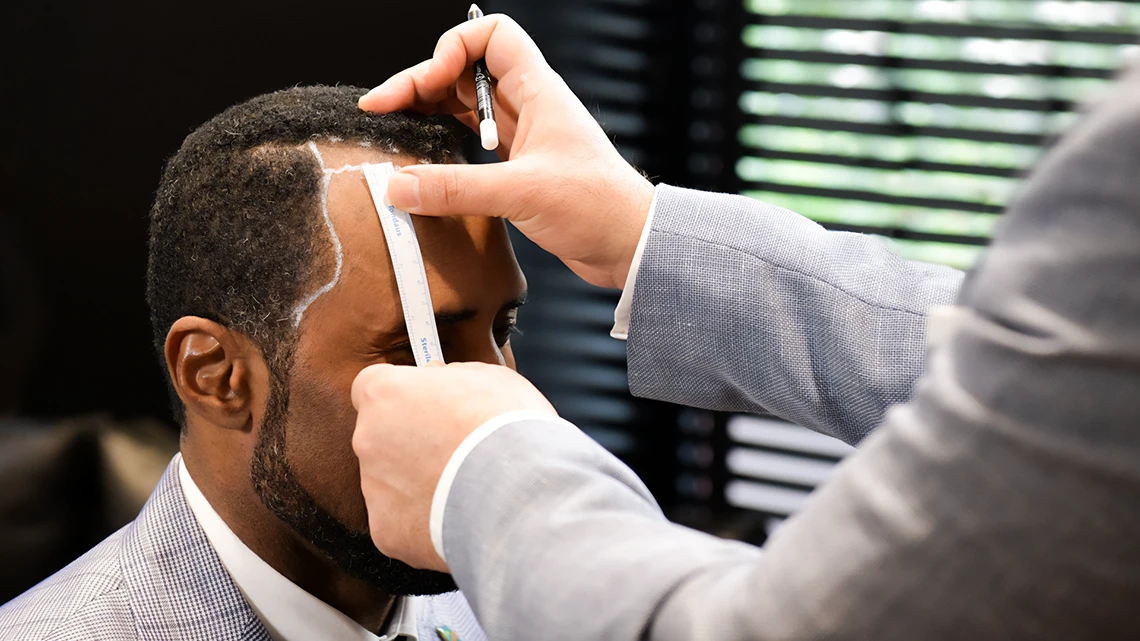
Afro-American Hair Transplant in Turkey: What is It?
Afro hair transplant in Turkey is a specialized procedure for restoring tightly coiled hair using advanced, tailored techniques.
Turkish clinics offer FUE and DHI methods customized for Afro-textured follicles, which require precision due to their curved structure. Surgeons with experience in Afro hair ensure natural-looking density, growth direction, and minimal scarring. Prices typically range from $2,400 to $5,000, often including accommodation, transfers, and post-op care.
Patients choose afro hair transplant in Turkey for its skilled specialists, modern facilities, and cost-effective packages. Results start to appear in 3–6 months, with full growth by 12 months. Choosing a clinic familiar with Afro hair is key to successful, long-term outcomes.
How Is Afro-American Hair Transplant Different?
Afro-American hair transplant differs from other procedures due to the unique curl pattern and structure of the hair follicles. Unlike straight hair, Afro-textured follicles have a curved shape beneath the scalp, making extraction and implantation more complex.
Surgeons must use specialized techniques to ensure graft viability while preserving the natural curl pattern. The follicle’s curved root requires precise angulation during implantation to achieve a natural-looking hairline and uniform density. Improper handling can damage grafts, leading to lower survival rates and inconsistent hair growth.
The extraction process in Afro-American hair transplant requires extra caution to prevent excessive trauma to the scalp. Standard FUE tools may not be suitable for tightly coiled hair, so surgeons use customized punches to accommodate the follicle’s curvature. Careful handling during extraction reduces the risk of transection, ensuring each graft remains intact and capable of regrowth. The implantation phase also demands expertise, as the follicles must be positioned correctly to maintain their natural curl pattern. This attention to detail ensures a seamless blend with existing hair and a realistic final appearance.
Healing after an Afro-American hair transplant follows a similar process to other hair types, but post-operative care is crucial for optimal results. Moisturizing the scalp and using gentle washing techniques help maintain hydration and promote healthy hair growth. Patients should follow their surgeon’s aftercare instructions to protect the transplanted follicles and ensure even regrowth.
Techniques Used in Afro-American Hair Transplantation
Picasso Robotic DHI, Robotic DHI, and Evo Sapphire techniques offer perfect solutions for Afro-American hair type. Picasso Robotic DHI ensures the placement of hair transplantation processes with the precision of a jeweler, while Robotic DHI technology allows for fast and highly accurate transplantation. Evo Sapphire offers minimal scarring and rapid healing with the finest sapphire pen technology. Each of these techniques is carefully applied to achieve natural and permanent results.
Afro-American Hair Transplantation for Men
The techniques we have specially developed for Afro-American men provide the most suitable and natural results for curly hair structure. Our expert team offers a complete appearance by preserving the natural curves of your hair. With proper consultation and careful planning, it is possible to regain the volume and density of your hair.
Afro-American Hair Transplantation for Women
The hair transplantation we specially apply for Afro-American women allows you to achieve aesthetic and permanent results while preserving natural volume and density. Our special techniques for curly hair structure prioritize the naturalness and health of your hair. We help you regain your self-confidence by alleviating the concerns caused by hair loss in women.
Success Rates of Afro-American Hair Transplant
Afro-American hair transplantation applied in our clinic aims for the happiness of our guests with high success rates and patient satisfaction. Correct techniques are meticulously applied by our expert team to achieve natural and permanent results. Our post-transplant satisfaction and success rates are an indication of our expertise and the technology used.
Do hair transplants work on Afro hair?
Yes, hair transplants work effectively on Afro hair when performed by specialists experienced with its unique follicle structure.
Afro-textured hair presents distinct challenges due to its tightly curled follicles and curved root angles beneath the scalp. Surgeons use advanced techniques like FUE or DHI, adjusting their approach for natural growth patterns and minimal scarring. With proper planning and precision, patients achieve full, natural-looking results. Most individuals see visible growth within 3–6 months, with full results by 12 months. Choosing a clinic familiar with Afro hair is essential for ensuring safe procedures and long-lasting success.
Techniques Used for Afro Hair Transplant in Turkey
FUE (Follicular Unit Extraction)
FUE is the most common method used for Afro hair transplants. In this technique, individual grafts are extracted from the donor area using a micro-punch tool. For Afro hair, the punch needs to follow the curved follicle carefully to avoid transection.
Turkish clinics use customized or beveled punches to better navigate the curve of the hair root. The benefit of FUE is that it leaves no linear scar and offers a quicker recovery.
DHI (Direct Hair Implantation)
DHI uses a special implanter pen (Choi Pen) to insert grafts directly into the scalp. This method allows for more precision in angle, depth, and direction, which is particularly useful for recreating the natural curl and hairline of Afro hair.
Many patients choose DHI for smaller areas like the edges or temples, where detail and density matter most.
FUT (Strip Method) – Rarely Used
FUT is less common for Afro hair due to the risk of a visible linear scar. However, in cases where a large number of grafts are needed and the patient plans to wear longer hairstyles, it may still be an option. Most top clinics in Turkey focus on FUE and DHI for Afro-textured hair.
What to Expect During the Procedure
Pre-Op
You’ll begin with a consultation, either online or in person, where your surgeon will assess your hair loss pattern, donor area, and curl type. A personalized hairline design will be created, often with input from the patient.
Surgery Day
The procedure is performed under local anesthesia and takes 6–8 hours, depending on the number of grafts. You’ll be awake but comfortable, and breaks are provided during the session.
Post-Op
You’ll receive aftercare instructions and a recovery kit that includes special shampoo, spray, and medication. Most clinics in Turkey also provide a follow-up care plan, either in person or via remote consultations.
How Long Does It Take to See Results After an Afro Hair Transplant?
It takes around 9 to 12 months to see full results after an Afro hair transplant, as hair growth occurs in stages. In the first few weeks, mild redness, swelling, and scabbing appear as the scalp heals from the procedure. Around three to four weeks after transplantation, the newly implanted hairs enter the shedding phase, which is a normal part of the process. By the third month, new hair begins to grow from the transplanted follicles, gradually increasing in density and strength. This early growth may appear thin at first, but over time, the hair thickens and blends naturally.
Between six to nine months, the hair continues to develop, taking on its natural curl pattern and gaining more volume. The texture and density improve as the follicles establish themselves, making the transplant results more noticeable. By the twelfth month, most patients achieve full growth, with strong, healthy, and naturally coiled hair strands. Proper post-transplant care, including moisturizing and gentle washing, helps maintain scalp health and supports optimal hair development.
Recovery Process for Afro-American Hair Transplant
The recovery process for Afro-American hair transplants follows a similar timeline to other hair types, with initial shedding occurring within weeks. New hair growth begins within three to four months, gradually increasing in thickness and density over time. Final results become fully visible between 9 to 12 months as the transplanted follicles mature and develop their natural curl. Proper aftercare, including gentle washing and moisturizing, helps maintain scalp health and supports optimal hair growth. Turkey remains a top destination for Afro-American hair transplants due to its experienced specialists and advanced techniques in hair restoration.
Challenges and Solutions in Afro Hair Transplant
Performing a successful Afro hair transplant requires overcoming the unique curl pattern and fragility of tightly coiled follicles, but with specialized techniques and expert hands, outstanding results are achievable. The natural curvature of Afro-textured hair roots makes extraction more prone to transection, as traditional straight-line punches can easily nick the grafts. Additionally, the risk of keloid formation and hypopigmentation is higher in patients with darker skin tones, demanding a gentle yet precise approach throughout the procedure.
Preoperative hydration protocols and vitamin-rich supplements further strengthen follicles, while meticulous graft handling under high-powered magnification preserves follicular integrity.
Afro-American Hair Transplant in Turkey Cost 2026
The cost of an Afro-American hair transplant in Turkey 2026 varies depending on factors such as the number of grafts required. Turkish clinics maintain high standards of care by offering experienced surgeons and advanced techniques that address the unique structure of Afro-textured hair. Patients can expect comprehensive packages that often include accommodation, transportation and post-operative care, ensuring a comfortable experience throughout the process.
FAQs
Is it safe to get a afro hair transplant in Turkey?
Yes, undergoing a hair transplant on Afro-textured hair in Turkey is safe when you choose a clinic with surgeons who specialize in coily hair restoration. Turkish centers renowned for medical tourism have developed protocols that address the unique curl pattern and fragility of Afro hair, ensuring grafts are extracted and implanted with minimal damage.
Curved or blunt-tip punches are used to follow each follicle’s natural bend, reducing the risk of transection that can occur with straight instruments. Recipient sites are crafted with lateral slits, which better accommodate thick, curly shafts and promote optimal blood flow around the newly placed grafts. High-magnification microscopes and experienced teams further safeguard follicle integrity, preserving growth potential and density.
How do Turkish clinics handle curly or kinky hair types?
Turkish clinics with expertise in textured hair use tailored techniques to safely extract and implant grafts in curly or kinky hair types. Because tightly coiled follicles curve beneath the skin, specialists employ blunt-tip or curved punches that follow the natural follicle bend, dramatically reducing the risk of transection and preserving graft viability.
Once harvested, each follicular unit is prepared under high-magnification microscopes to protect the delicate root sheath and ensure precise placement. Recipient sites are created using lateral slits rather than straight incisions, accommodating the thicker shafts and promoting ideal blood flow around each graft. This meticulous approach helps transplanted hairs blend seamlessly with existing curls, maintaining your unique texture and density.
Post-procedure care is equally individualized: clinics provide customized hydration protocols, vitamin-enriched serums, and gentle scalp massage guidelines to minimize inflammation and support rapid healing. Scar management strategies—such as silicone gels and low-level laser therapy—are also recommended to reduce keloid risk in higher-melanin skin.
Will the new hair match my natural texture?
Yes, transplanted hair will naturally match your existing texture when the procedure is performed by experienced specialists. Hair follicles retain their genetic characteristics—such as curl pattern, diameter, and growth rate—even after relocation, so grafts harvested from donor areas on your own scalp continue to grow in harmony with your original strands.
If you’re ready to restore fullness without sacrificing your signature texture, our expert team is here to guide you. Contact us today for a complimentary consultation and discover how a personalized hair transplant can deliver the consistency and confidence you deserve.
Are there surgeons in Turkey with Afro hair experience?
International accreditations, from Joint Commission International (JCI) to ISO certifications, reflect Turkey’s commitment to world-class safety and quality standards. Multilingual coordinators and tailored aftercare plans mean Afro-textured patients receive seamless support from the very first consultation through long-term follow-up. If you’re seeking a surgeon who truly understands Afro hair’s specific needs, our specialist team is ready to guide you. Contact us today for a complimentary consultation and discover how you can achieve natural, lasting results.
How long until I see visible results?
You can expect to see the first signs of new hair growth around three to four months after your transplant. This initial emergence follows a normal “shock” shedding phase, during which transplanted follicles rest briefly before entering the active (anagen) growth stage.
As follicles shift into anagen, fine, soft hairs begin to push through the scalp—often lightly at first, then steadily thickening. By the sixth month, many patients notice a visible increase in density and texture, as individual shafts gain strength and uniformity. Full maturation typically occurs between nine and twelve months, when transplanted hairs reach their final length, thickness, and curl pattern.

